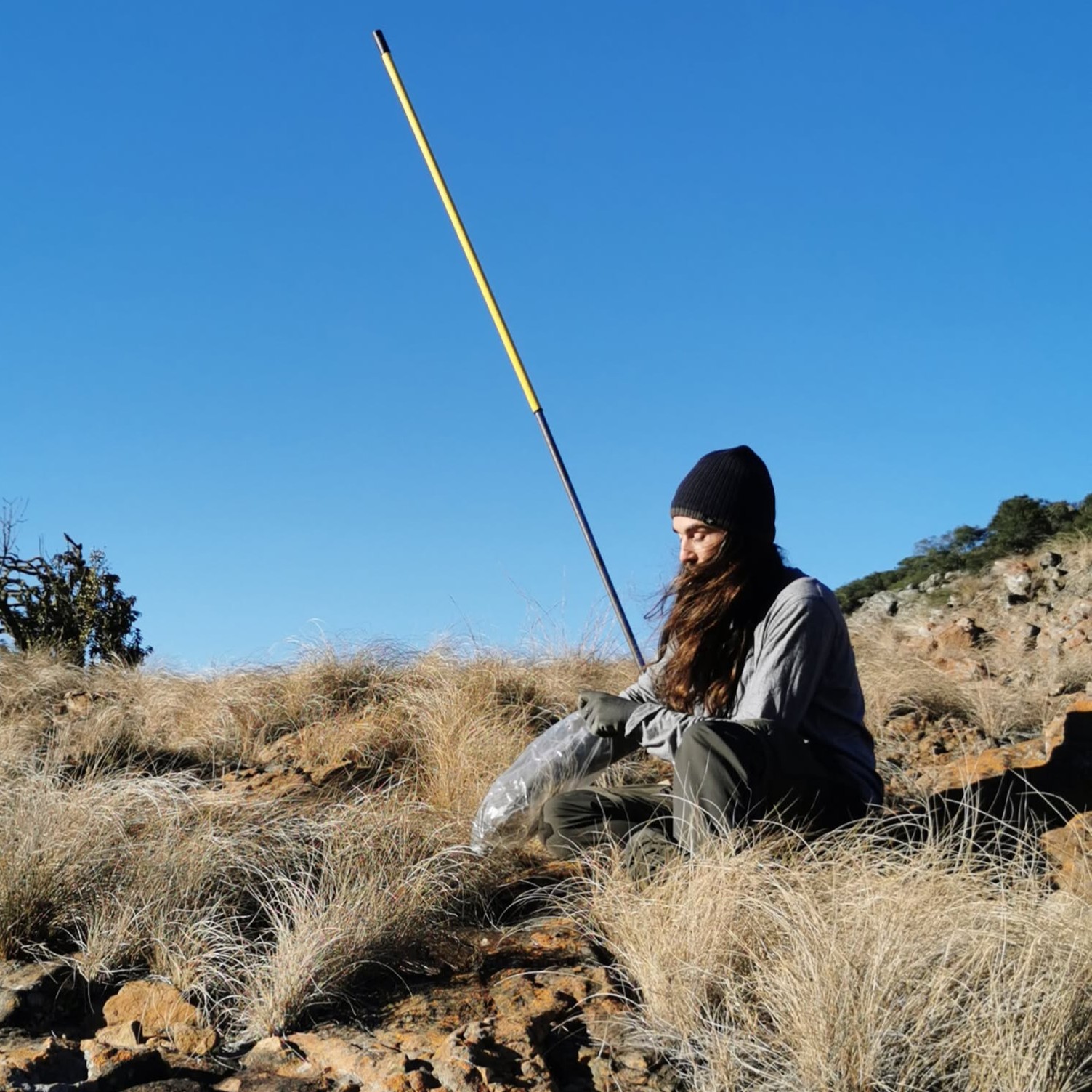
St Andrews — Primary Supervision
How can conservation technology advance our understanding of recreational disturbance effects on wildlife, and how can pro-environmental behaviour be encouraged in outdoor recreationists?
Developing data-to-decision AI supported workflows for applied conservation and management.
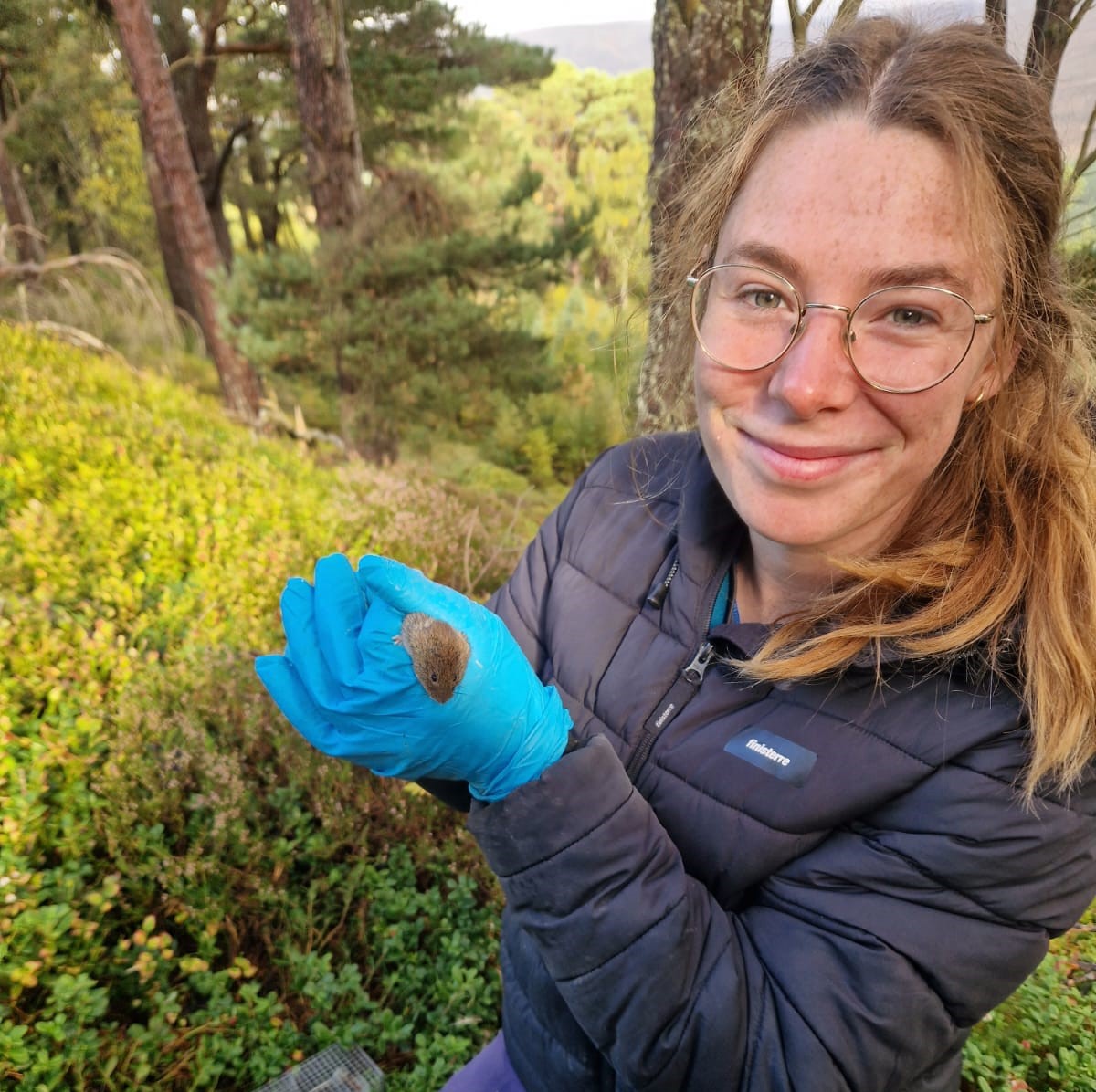
Using DNA to track how host movement shapes vector-borne disease dynamics in a water vole metapopulation in Assynt, Scotland.
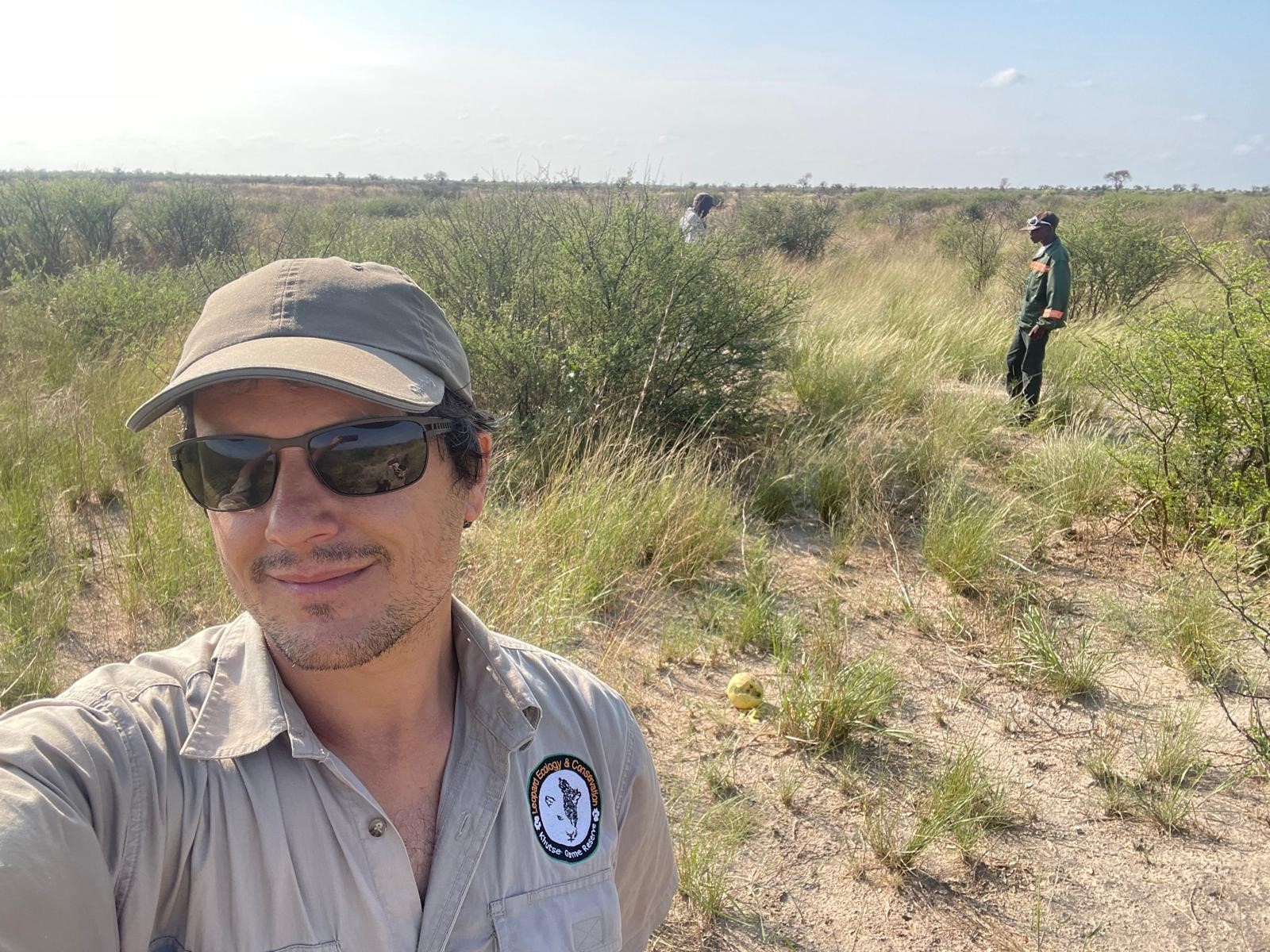
SCR modelling for carnivores integrating camera trapping, genetic sampling, track surveys and Traditional Ecological Knowledge.
Investigating the impact of forestry plantations on ground-nesting birds and diversionary feeding to reduce predation and improve survival.
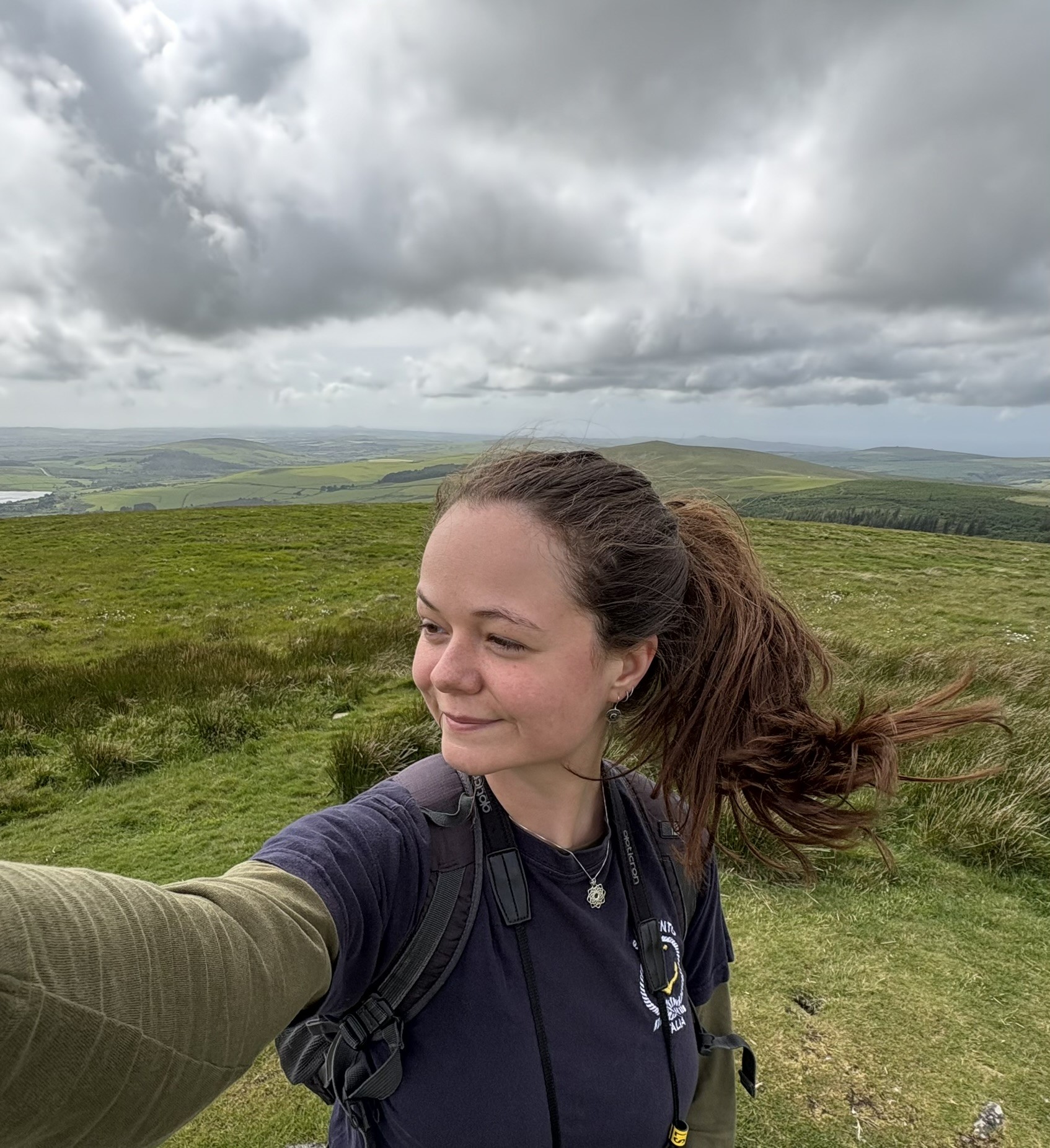
St Andrews — Co-Supervised
Trying to better model extreme wildfire events and better place firebreaks to protect from their worst effects.
Developing machine learning methods for squid fisheries monitoring in the Eastern Pacific.
Working on the St Andrews NatGeo Living Pathways project researching human-wildlife coexistence.
Co-Supervised Students
Strengthening the analytical framework for wolf monitoring under environmental impact assessment procedures.
Understanding the ecological role of European wildcats and wildcat-domestic hybrids within Scotland's carnivore community network.
Understanding how population dynamics are influenced by floaters using Bayesian inference on long-term historical datasets.
Potentials, challenges, and ways of utilizing individual count data from camera traps, and human disturbance impacts on wildlife sociality and group sizes.
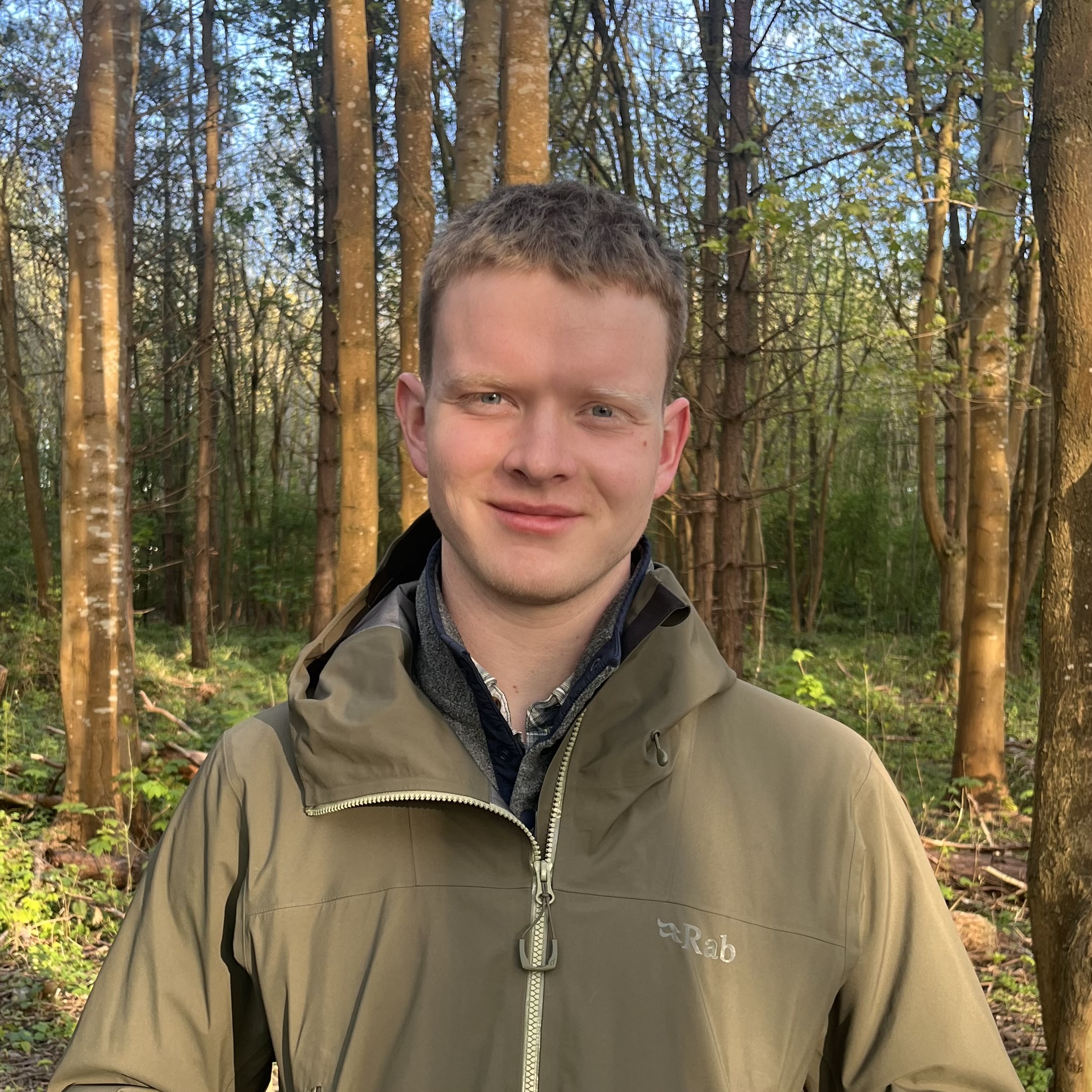
Balancing deer management, ecological recovery and traditional values in a charged land management context.
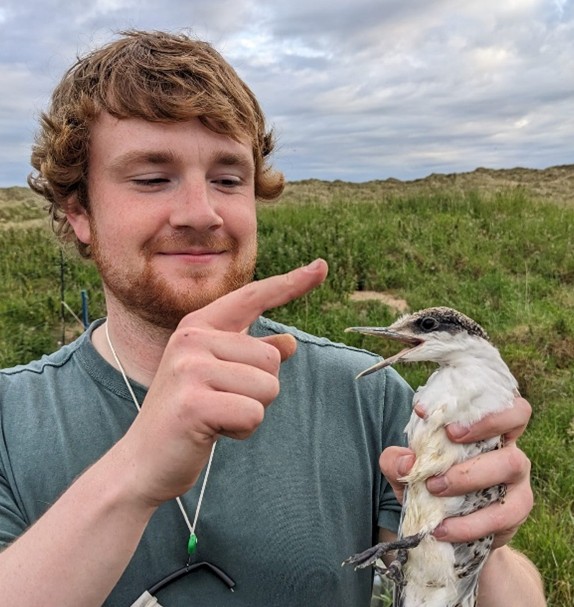
Predicting vole population cycles using raptor data to support conservation, farming, and forestry.